


Socket fusion couplings are a staple in plumbing systems, offering a seamless and reliable connection between pipes. As a supplier of these essential components, I've seen firsthand the issues that can arise, with leaks being one of the most common headaches for installers and end - users alike. In this blog post, I'll dig into the various factors that can cause leaks in socket fusion couplings, and how to avoid them.
1. Improper Surface Preparation
One of the most fundamental reasons for leaks in socket fusion couplings is improper surface preparation. Before the fusion process, both the pipe and the coupling socket need to be clean and free of dirt, grease, and moisture. Even a tiny bit of debris can prevent a proper bond from forming between the two materials.
When installing PPR Reducing Tee, for example, if the surfaces aren't wiped down thoroughly, the fusion will be compromised. The dirt or grease can act as a barrier, weakening the joint. This is like trying to glue two pieces of paper together with a layer of oil in between; it just won't stick properly.
To avoid this, always use a clean, dry cloth to wipe the pipe and the socket of the coupling. If there are stubborn contaminants, you can use a mild solvent that's compatible with the material of the pipe and fitting. But make sure to let it dry completely before proceeding with the fusion.
2. Incorrect Fusion Temperature
Another major culprit behind leaking socket fusion couplings is incorrect fusion temperature. Different materials have different melting points, and hitting the right temperature is crucial for a strong bond.
For PPR Fitting for Hot and Cold Water, there's a specific temperature range that the fusion equipment should reach. If the temperature is too low, the plastic won't melt enough to create a solid connection. The joint might look okay on the outside, but internally, it won't be fully fused, leading to potential leaks over time.
On the flip side, if the temperature is too high, the plastic can over - melt and become thin and weakened. This makes the joint more susceptible to cracks and breaks. You need to use a reliable fusion machine with accurate temperature controls and follow the manufacturer's guidelines for the specific material you're working with.
3. Poor Insertion Depth and Alignment
The depth to which the pipe is inserted into the coupling socket and the alignment between the two are also key factors in preventing leaks. If the pipe isn't inserted far enough into the socket, there won't be enough surface area for the fusion to take place. This leaves a weak spot in the joint, and water can easily seep through.
Moreover, proper alignment is essential. If the pipe and the coupling are misaligned during the fusion process, the joint will be uneven. Over time, the stress from water flow and pressure can cause the joint to fail. When working with PPR Flange Adaptor, you need to make sure that the pipe is inserted straight and to the correct depth, and that the flange is properly aligned with other components in the system.

4. Material Quality Issues
The quality of the socket fusion couplings and the pipes themselves can also lead to leaks. Inferior materials may have inconsistent wall thickness, impurities, or other manufacturing defects. These issues can weaken the joint and make it more likely to leak.
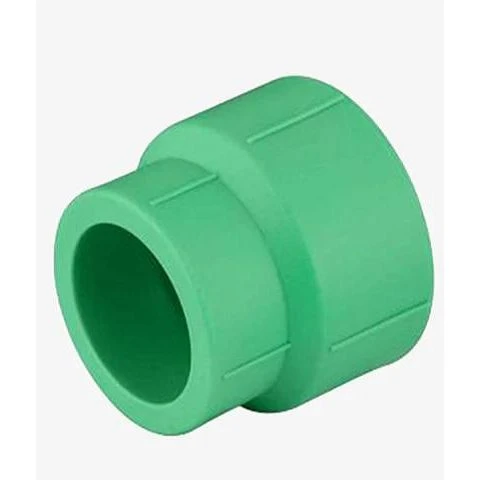
For instance, PPR Reducer made from low - quality PPR material might not bond well with the pipes. This can be a result of using substandard raw materials or poor manufacturing processes. As a supplier, we ensure that all our products meet high - quality standards to minimize these risks. But it's always important for installers to source their materials from reputable suppliers.
5. Environmental Factors
Environmental conditions during installation and throughout the life of the plumbing system can play a role in causing leaks. Extreme temperatures, both hot and cold, can affect the integrity of socket fusion couplings.
In cold weather, the plastic can become more brittle. If the installation is done in freezing conditions without proper precautions, the joint may crack as the plastic contracts. On the other hand, high temperatures can cause the plastic to expand. If the system isn't designed to accommodate this expansion, it can put stress on the joints and lead to leaks.
Humidity can also be a factor. High humidity levels can introduce moisture to the surfaces of the pipe and coupling, which, as mentioned earlier, can interfere with the fusion process. So, whenever possible, try to choose a suitable environment for installation and consider the long - term environmental conditions where the system will be operating.
6. Over - tightening or Vibration
In some cases, over - tightening during the installation of threaded components in the system can cause stress on the socket fusion couplings. When using PPR Male Threaded Tee, for example, excessive force on the threads can transfer stress to the fusion joint. This can lead to micro - cracks or even break the joint over time.
Vibration is another factor. If the plumbing system is installed in an area with a lot of vibration, such as near heavy machinery, the constant shaking can fatigue the joint. The repetitive stress can cause the fusion bond to weaken, resulting in leaks. To address this, proper anchoring and vibration - dampening measures should be implemented.
How to Avoid Leaks
Now that we've explored the various causes of leaks in socket fusion couplings, let's talk about how to prevent them. First and foremost, proper training for installers is essential. They need to understand the importance of surface preparation, correct fusion temperature, and proper insertion depth and alignment.
Regularly maintaining the fusion equipment is also crucial. This includes checking the temperature accuracy and ensuring that the heating elements are in good condition. Using high - quality materials from a trusted supplier, like the ones we offer, can significantly reduce the risk of material - related leaks.
Finally, when designing the plumbing system, take into account the environmental factors and potential sources of stress. This way, you can create a system that's more resilient and less likely to develop leaks.
Ready to Purchase?
As a reputable supplier of socket fusion couplings and other PPR fittings, we're committed to providing high - quality products that meet your needs. If you're in the market for reliable and durable PPR Reducing Tee, PPR Fitting for Hot and Cold Water, PPR Flange Adaptor, PPR Reducer, or PPR Male Threaded Tee, look no further. Contact us to discuss your purchasing requirements and get the best solutions for your plumbing projects.
References
- Plumbing Installation Manuals
- Manufacturer's Guidelines for PPR Materials
- Industry Research on Socket Fusion Coupling Performance


